

Introduction to Medical-Grade Lymphatic Therapy
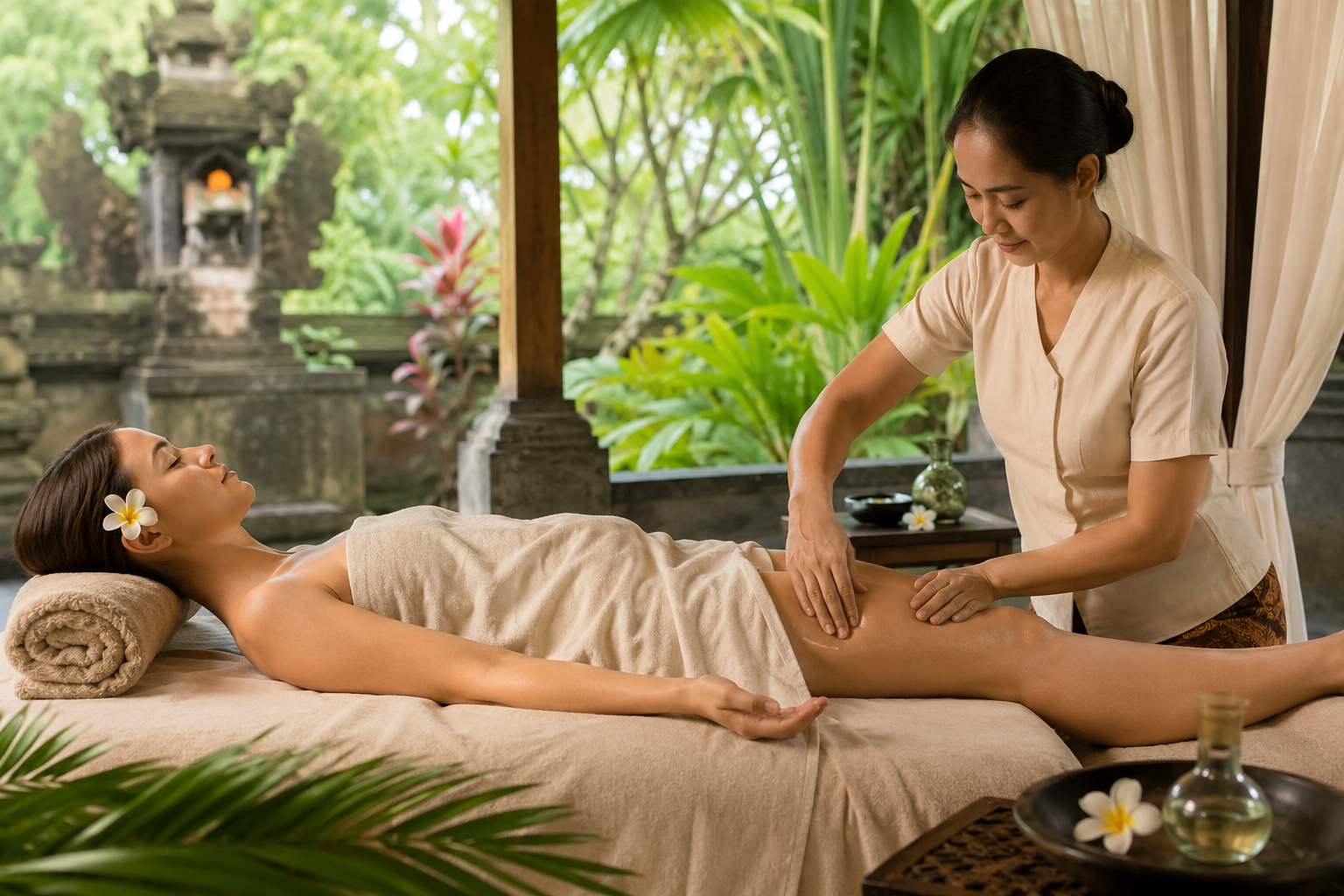
Manual Lymphatic Drainage Bali (MLD) is no longer just a trend in the wellness world; it has become a cornerstone of medical recovery and holistic health on the island. While Bali is famous for its relaxing ‘Spas,’ a true MLD session is a clinical procedure rooted in decades of physiological research. It is a specialized, non-invasive technique designed specifically to move lymph fluid—the clear liquid that carries waste products and immune cells throughout the body. For travelers and residents alike, understanding the difference between a standard massage and Manual Lymphatic Drainage Bali is the first step toward achieving significant health milestones, particularly for those recovering from surgery or managing chronic health conditions.
The Evolution of MLD: From Clinical Settings to Bali’s Wellness Hub
Originally developed in Europe in the 1930s by Dr. Emil Vodder, Manual Lymphatic Drainage was primarily used to treat patients with chronic sinusitis and other immune-related issues. Today, Bali has adopted these rigorous clinical standards, combining them with the island’s world-renowned hospitality. Manual Lymphatic Drainage Bali practitioners often undergo hundreds of hours of training to master the specific pressure and rhythm required to stimulate the lymphatic system without compressing the deeper blood vessels. This evolution has made Bali a global destination not just for holidays, but for medical tourists who seek high-quality, affordable post-operative care in a tranquil environment that promotes faster healing.
Technical Insights: The Vodder and Leduc Methods
When you book a session for Manual Lymphatic Drainage Bali, you are likely receiving a treatment based on the Vodder or Leduc methods. The Vodder method involves four primary strokes: stationary circles, pump, scoop, and rotary movements. These strokes are applied with very light pressure—approximately the weight of a nickel—to the skin’s surface. The Leduc method, on the other hand, focuses on ‘call-up’ and ‘reabsorption’ maneuvers. Both methods share the goal of increasing the pulsation of the lymphangions (the tiny ‘hearts’ within the lymph vessels). By understanding these technicalities, patients can better appreciate why the massage feels so gentle yet produces such profound internal results, such as a 20-fold increase in lymph flow during the session.
Applications for Post-Surgical Recovery and Plastic Surgery
One of the most critical uses for Manual Lymphatic Drainage Bali is in the realm of post-surgical recovery. Bali is a popular destination for elective and plastic surgeries, including liposuction, facelifts, and tummy tucks. Following these procedures, the body naturally produces significant inflammation and fluid buildup (edema). If left untreated, this fluid can become stagnant, leading to discomfort, prolonged bruising, and the formation of hard scar tissue known as fibrosis. MLD is the gold standard for clearing this fluid. By manually guiding the edema toward functioning lymph nodes, MLD reduces pain, speeds up the reabsorption of bruises, and ensures that the surgical results are smooth and aesthetically pleasing.
Managing Chronic Conditions: Lymphedema and Autoimmune Support
Beyond surgery, Manual Lymphatic Drainage Bali is a lifeline for individuals living with lymphedema—a condition where the lymphatic system is damaged or compromised, often as a side effect of cancer treatments. MLD helps to redirect the lymph fluid to healthy drainage areas, preventing the limb from becoming dangerously swollen. Furthermore, for those suffering from autoimmune disorders like fibromyalgia or chronic fatigue syndrome, MLD provides a gentle way to clear metabolic waste that can trigger inflammatory flares. By keeping the ‘internal sewerage system’ clear, the immune system is less burdened, allowing the body’s natural defense mechanisms to function at peak efficiency.
What to Expect: A Professional Clinical Experience
A professional session of Manual Lymphatic Drainage Bali feels markedly different from a traditional Balinese massage. There are no heavy oils, no intense kneading of the muscles, and no ‘no pain, no gain’ philosophy. The environment is usually clinical yet serene. The therapist will start by ‘opening’ the lymph nodes in the neck and collarbone area—this is crucial because if the main drainage ducts are blocked, moving fluid from the legs or arms will be ineffective. Throughout the session, the client remains deeply relaxed, often falling into a meditative sleep. The treatment is painless, and most people report an immediate sense of lightness, a reduction in the ‘tight’ feeling of swollen skin, and an overall boost in mental clarity.
Planning Your Treatment: Frequency and Pricing
To achieve the best results with Manual Lymphatic Drainage Bali, consistency is key. For post-surgical patients, many surgeons recommend daily sessions for the first week, followed by 2-3 sessions per week for the next month. For general detoxification or immune support, a monthly session is usually sufficient. In Bali, a high-quality, 60-minute MLD session typically costs between IDR 800,000 and IDR 1,500,000. While this is more expensive than a standard street massage, the specialized training and clinical benefits make it a worthwhile investment in your long-term health. Always verify that your therapist has specific certification in MLD to ensure you are receiving a safe and effective treatment.
Conclusion
Manual Lymphatic Drainage Bali represents the perfect marriage of medical science and holistic wellness. Whether you are on a journey of recovery from a major operation or simply looking to give your immune system a much-needed boost, this therapy offers unparalleled benefits. In the healing atmosphere of Bali, surrounded by nature and expert care, your body is given the best possible chance to detoxify, repair, and thrive. Don’t wait for symptoms to arise; proactive lymphatic care is one of the most effective ways to maintain a vibrant, healthy, and pain-free life.